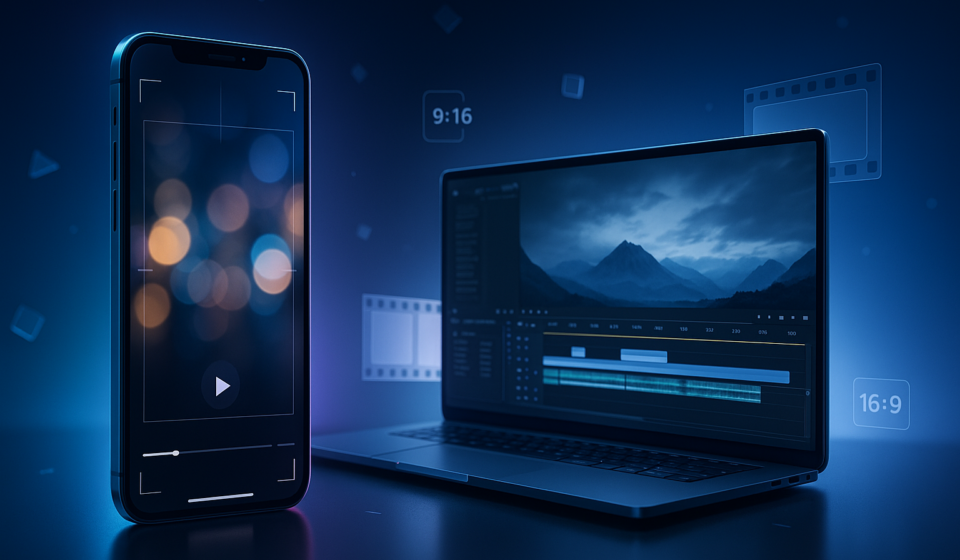

The 9:16 Revolution
The “Cinematic” look used to be reserved for the wide-screen (16:9) theater experience. However, in 2026, the most influential storytelling is happening in the vertical format. From Instagram Reels to TikTok and YouTube Shorts, the 9:16 aspect ratio has become the primary window through which the world consumes content.
But there is a problem: most vertical content looks “cheap.” To stand out, creators must adopt a Vertical-First Cinematic approach.
Defining the Cinematic Aesthetic in 9:16
Creating high-definition, cinematic vertical video isn’t just about turning the camera sideways. It requires a deep understanding of:
- Leading Lines: In vertical video, your eyes naturally move up and down. Cinematic creators use architecture, trees, or lighting to guide the viewer’s gaze toward the subject.
- 4K Ultra-Realistic Detail: Because phone screens are now incredibly sharp, viewers can spot “plastic” textures or poor AI generation instantly. High-fidelity rendering and slow-motion (60fps+) are essential for that high-end editorial feel.
- Depth of Field: Using a shallow depth of field (blurred backgrounds) in a vertical format creates an “immersive portrait” look that feels premium rather than casual.
The Role of AI in Post-Production
In 2026, AI tools have evolved beyond simple filters. We now use AI-Native Video Editing to:
- Object-Specific Color Grading: Changing the color of a “maroon hoodie” or a “black denim jacket” without affecting the skin tones of the creator.
- In-Painting for Vertical Expansion: Taking old 16:9 cinematic footage and using AI to “fill in” the top and bottom of the frame to make it natively 9:16 without losing quality.
- Synthetic Environments: Creating ultra-realistic, futuristic backgrounds that stay consistent even when the camera moves.
The Future of the Creator-Entrepreneur
Storytelling is no longer just about the message; it’s about the Aesthetic Authority. Whether you are building a brand like “Voices of the Savannah” or a tech review site, the quality of your visual output acts as a proxy for the quality of your information. In the age of AI, “Ultra-Realism” is the new trust signal.