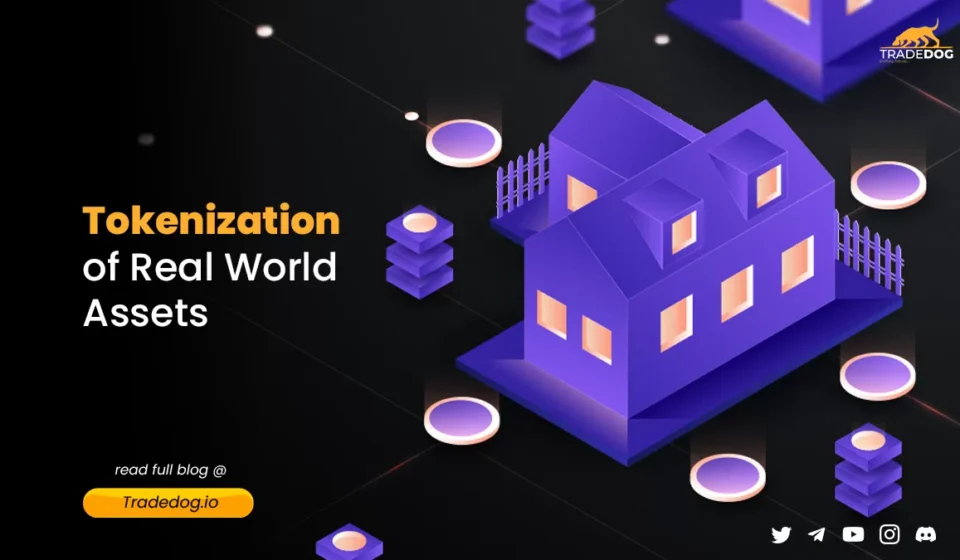

The $16 Trillion Opportunity
For years, blockchain was criticized for being “disconnected” from reality. In 2026, that narrative has been dismantled by the rise of Real-World Asset (RWA) tokenization. This is the process of taking a physical asset—such as a piece of real estate, a gold bar, or a fine art collection—and representing its ownership as a digital token on a blockchain. By 2030, the RWA market is projected to hit $16 trillion, and the foundation is being laid right now.
Why Tokenize Reality?
The shift toward RWAs solves three massive problems in traditional finance:
- Fractional Ownership: You may not be able to afford a $10 million commercial building in Dubai, but you can afford a $500 “token” representing a share of it. This democratizes high-yield investments.
- Instant Liquidity: Traditionally, selling a house takes months. On-chain, you can trade your property token in seconds on a decentralized exchange, just like you would trade Bitcoin.
- Transparency and Provenance: With blockchain, the entire history of an asset—from its construction date to its previous owners—is recorded on an immutable ledger. This eliminates the need for expensive title searches and escrow middlemen.
The 2026 Regulatory Breakthrough
The primary hurdle for RWAs was legal, not technical. In 2026, we have seen the emergence of “Regulation-Compliant Protocols.” These systems automatically verify the identity (KYC) of every token holder, ensuring that physical assets can be traded globally while staying within the laws of specific jurisdictions. For the tech entrepreneur, this opens a new frontier: building the “Amazon of Physical Assets.”